
John 2:1–25
Focus verse: ‘Zeal for your house will consume me.’ (John 2:17)
Old Testament lens: ‘Zeal for your house will consume me.’ (Psalm 69:9)
At first glance, the joyful miracle at the wedding in Cana and the dramatic clearing of the Temple may seem unrelated. But taken together, they introduce us to the heart of who Jesus is and what He came to do. As we reflect on this passage, especially in light of verse 17 (‘Zeal for your house will consume me’) we see how both joy and judgment flow from the same deep love of God. Jesus turning water into wine at a wedding feast ends with abundance, but it began with a major embarrassment: the hosts had run out of wine. Jesus steps in, not with a public spectacle but a quiet miracle that reveals His glory to a few close followers. John 2:11 says, ‘What Jesus did here in Galilee was the first of his signs through which he revealed his glory, and his disciples believed in him.’
Jesus comforts the disturbed. Jesus cares about the needs of ordinary people in their everyday lives. Then the scene shifts. Jesus arrives at the Temple in Jerusalem and sees the place meant for worship turned into a marketplace. With righteous anger, He drives out the money changers and sellers. Here, Jesus disturbs the comfortable, those who had settled into religious routine but lost sight of God’s holiness. The Court of the Gentiles in the Temple was not supposed to be a place for money changers. It was the only area where non-Jews (Gentiles) were permitted to enter. The intended purpose of the Court of the Gentiles was to allow Gentile ‘God-fearers’ — non-Jews who revered Israel’s God — to come near, to pray, and to honour God in proximity to the Temple. Israel was set apart to be a blessing to the nations, and they were not doing this.
Why are these two events side by side? Because together, they show that Jesus came not only to bring joy but also to call for purity and truth in our worship. His zeal, His passionate commitment to God’s purposes, is at the centre of both stories. John places this Temple-cleansing scene at the beginning of Jesus’ ministry (unlike the other Gospels), perhaps to show us early on who Jesus truly is. Jesus is the new Temple, the Word made flesh, and the Passover Lamb who takes away the sin of the world. David Sliker(1) says, ‘Jesus’ relationship to us and his passion and jealousy relate to our destiny and … how far he is willing to go to get us to our destiny. He won’t stop until all darkness is out of us … that hidden sense that I know better than God, that I am wiser than God, that I have a better way … is dealt with. He is love and included in that love is his anger and jealousy. When you yoke your life and when you fasten your life covenantly to a bridegroom God … you get him … the whole of who he is, is fastened to you and you get all of him … the free gift of righteousness made a way for him to fasten himself to you. You get him … the God of the Old Testament and New Testament has fastened himself to you.’ Here we get a picture of God’s jealous, volcanic love when Jesus drives out the money changers and quotes Psalm 69:9a.(2)
The Early Church Fathers who inspired the Celtic Church
St Basil the Great (329–379), Cappadocia
‘Do not be afraid of prayer, for it is the weapon of the soul.’(3)
St Basil of Caesarea was one of the most important figures in early Christianity. He lived in the 4th century and played a decisive role in shaping Christian theology, monasticism, and church organisation in both the East and West. He came from a deeply Christian and intellectual family — his sister Macrina the Younger, his brother Gregory of Nyssa, and his friend Gregory Nazianzus were all prominent saints and theologians. Together, they’re known as the Cappadocian Fathers.
Pachomian monasticism influenced Basil, who adapted communal monastic principles for the Greek-speaking East. Basil’s ideas then reached John Cassian, a monk who studied monastic practices in Egypt and later founded monasteries in southern Gaul. Cassian wrote the Institutes and Conferences,(4) which transmitted Egyptian desert spirituality to Western Europe.
Several aspects of St Basil’s life and teachings would have resonated with and potentially inspired the Celtic Church, especially in its early monastic expressions. One particularly powerful story that aligns with the Celtic monastic spirit is his radical embrace of asceticism, community life, and service to the poor — especially in the founding of the Basiliad,(5) an early model of a Christian community that served both spiritual and practical needs. This was radical. It was monasticism not as escape, but as engagement — a community of prayer and service, rooted in simplicity, hospitality, and care for the marginalised.
St Brigid of Kildare(6) (c451–525) is a Celtic saint who is remembered for being zealous, bold, passionate, and uncompromising in her devotion to God and to community, which was so important to Basil. Like Jesus at Cana, Brigid was known for her miracles of abundance — turning water into beer, multiplying food, and always making room for one more at the table. Her life was a living parable of hospitality, rooted in the Celtic love of extended family, sacred feasting, and communal joy. Brigid reminds us that holiness is not always found in silence and solitude, but often in the clinking of cups, the sharing of bread, and the laughter of loved ones gathered around a table. Like Cana, Brigid’s Kildare was a place where the sacred met the ordinary — where God’s presence was revealed not just in worship, but in warmth, welcome, and celebration.
REVIVAL
At Cana Jesus ‘revealed his glory; and his disciples believed in him’ (John 2:11). This is a reminder that our primary calling is to love God and look more and more like Him, revealing His glory. As we behold Him, we’re transformed and changed by Him. The zeal we see in Jesus in John 2 is a reminder that Jesus has a passion and jealousy regarding the Jewish people and their destiny, and the destiny of Jerusalem and Israel. ‘This is what the Lord Almighty says, “I am very jealous for Zion. I am burning with jealousy for her.”’ (Zechariah 8:2)
PRAYER
Thank you for this picture of Jesus’ jealous love for His people to fulfil their destiny to be a blessing to the nations. May the eyes of Israel be opened to see Jesus as their Messiah … the risen Lamb. Lord, You are the wine that gladdens our soul, You are the fire that makes the Temple whole.
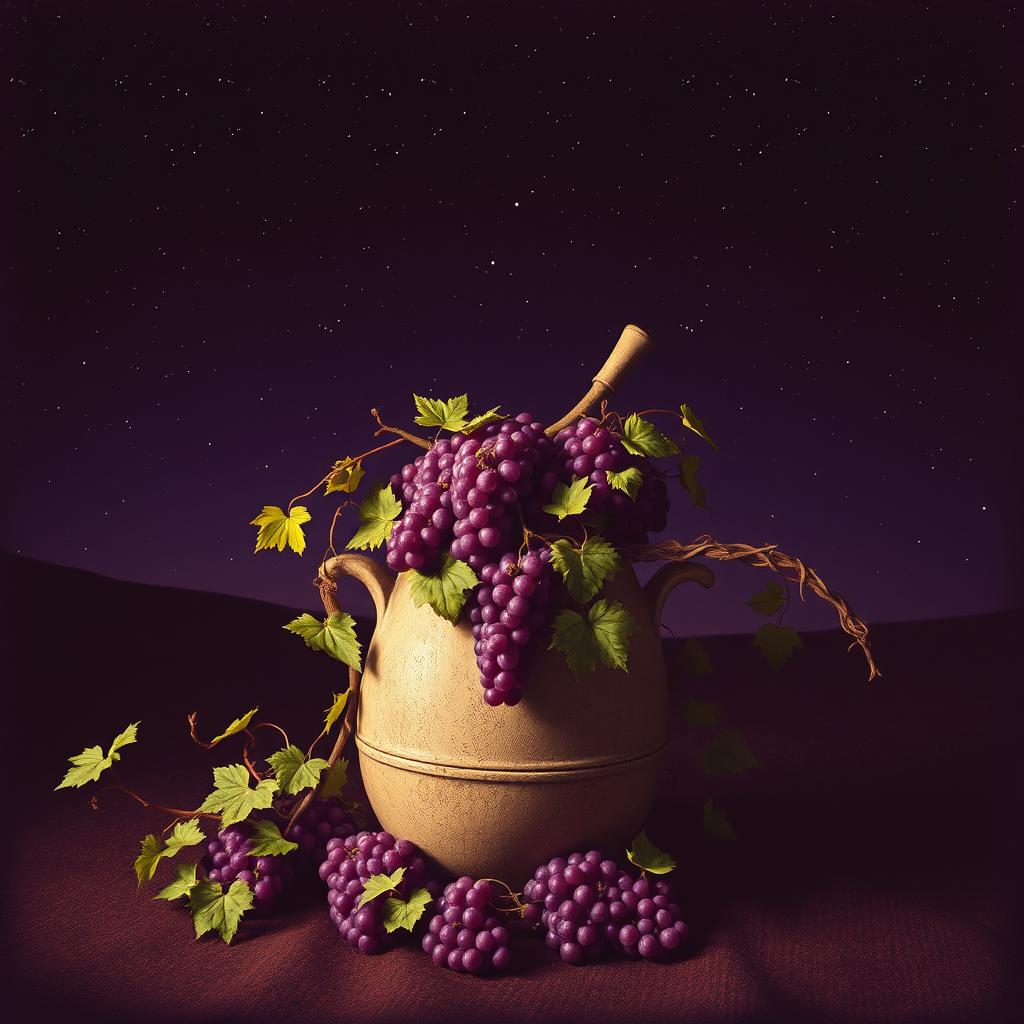
I am the wine that gladdens your soul (CLICK ON PICTURE BELOW TO LISTEN TO SONG)
________________________
(1) Sliker, D. The nations rage, Chosen books, 2020
(2) Hays, R. Echoes of the Scripture in the Gospels, 311,312
(3) Basil the Great Ôn prayer
(4) Cassian Conferences
(5) https://www.sntbasil.org/stbasilworks
(6) https://www.britannica.com/biography/Saint-Brigit-of-Ireland

 UNBLOCKING THE WELL OF THE LIVING WORD
Leave a comment