
John 8:1–30
Focus verse: ‘Again, Jesus spoke to them, saying, “I am the light of the world. Whoever follows me, will not walk in darkness, but will have the light of life” (John 8:12)
Old Testament lens: ‘I will give you as a covenant for the people, a light for the nations, to open the eyes that are blind, to bring out the prisoners from the dungeon, from the prison, those who sit in darkness.’ (Isaiah 42:6)
In John 8:12 Jesus declares, ‘I am the light of the world. Whoever follows me will not walk in darkness but will have the light of life.’ This powerful claim echoes the Old Testament prophets, especially Isaiah, where God’s chosen servant is called to be a ‘light to the nations’ (Isaiah 42:6; 49:6). Israel was originally meant to carry that light, to show the world what it meant to know the living God.
This chapter reveals wilful blindness. Jesus accuses His opponents of failing to hear and understand because they no longer know the God they claim to serve. Their actions, thoughts, and ambitions reveal that they have lost touch with the heart of the Father. Jesus even goes as far as to say they are following their ‘father, the devil’ (John 8:44), because their hearts are closed to the truth and full of murderous intent.
The prophets had long foretold that the ‘Servant of the Lord’ would bring justice and light to the world, even at the cost of suffering (Isaiah 53:12). Jesus is that servant. Just like light shining into a dark room exposes everything hidden, Jesus exposes what is in human hearts. He is the true light sent from heaven, God’s Messiah, for Israel and for all nations. Those who accept Him find life and walk in the light. Those who reject Him, whether in hostility or stubborn unbelief, stand exposed and judged by the very light that was meant to save them.
The Early Church Fathers who inspired the Celtic Church
St Cyril of Alexandria (376–444), Egypt
‘He calls Himself Light, not as one among many, but as that which is by nature and truly light, which enlightens every man coming into the world.’(1)
St Cyril of Alexandria was a towering theological figure, especially noted for his role in the Council of Ephesus (AD431). Cyril’s central conviction was that Jesus Christ is the eternal Word (logos) of God made flesh. When Jesus says ‘I am the light of the world’ Cyril hears the divine Word proclaiming Himself as the source of all truth, life, and illumination. So, for Cyril, the ‘Light’ is not metaphorical; it’s the uncreated divine light, the radiance of God’s being. Christ reveals the Father’s glory because He is consubstantial (homoousios) with the Father — ‘Light from Light,’ as the Nicene Creed puts it. Thus ‘The Light of the world’ expresses Christ’s divine identity and equality with the Father.
Cyril sees ‘light’ as the symbol of revelation and communion: Christ’s light reveals God’s truth to a world darkened by sin and ignorance. But this light doesn’t just inform, it transforms, allowing the believer to share in divine life. He writes: ‘By partaking of Him we are illuminated, and being delivered from the darkness of error, we are made partakers of the divine light and knowledge.’ So, to be enlightened by Christ is to be brought into fellowship with God, a theme that connects directly with the Early Church father’s understanding of theosis (deification).
Cyril’s reading of John 1 — ‘The light shines in the darkness’ — is deeply incarnational. Humanity, for Cyril, is trapped in the ‘darkness’ of corruption and ignorance after the fall. The Word’s incarnation is the divine light entering that darkness, not from outside, but by assuming our nature. In Christ, d ivine light and human flesh meet without confusion and without separation.
Also ‘The Light of the world’ for Cyril is eschatological: it signifies Christ’s victory over every form of darkness. Sin is forgiven, ignorance is illuminated, death is conquered. The resurrection foreshadows the eternal illumination of the saints in God’s kingdom.
St Columbanus (c543–615)( See link to one hour documentary on the life of St Columbanus below )(2) was the most famous missionary from Bangor, which became known as ‘The Light of the world’ due to its influential monastic heritage. Bangor Abbey became one of the most important centres of Christian teaching and monasticism in Ireland and Europe. Columbanus left Ireland around 590 with 12 companions and founded monasteries in Gaul (France), Switzerland, and Italy, including Luxeuil Abbey in France and Bobbio Abbey in northern Italy. Columbanus promoted Celtic Christian practices, scholarship, and strict monasticism. His influence helped shape early medieval European Christianity.
St Gall was another Bangor monk and a companion of Columbanus. He evangelised in what is now Switzerland. He founded the monastery of St Gallen, which became a renowned centre of learning.
Although Bangor Abbey suffered Viking raids in the 9th century and fell into decline, it was later revived in the 12th century under the Augustinians. Bangor was a beacon of early Christian civilisation. Its missionary legacy helped preserve Christian learning during Europe’s Dark Ages. The title ‘Light of the world’ reflects how Bangor’s monks illuminated Europe with faith, education, and cultural richness.
REVIVAL
If national revival is to take place, personal sin needs to be brought into the light with open confession. It requires one person to take the first step, but prophetic intercession is necessary too. National revival requires the revelation and identification of ‘thrones’, governing powers or seats of authority, that oppose the will of the Lord being accomplished.
Currently in Europe, left-wing groups are defending religious extremists, and both are ‘thrones’ we need to repent of coming under. They seem like polar opposites: on the one hand, woke ideology, gender fluidity, LGBTQ+ affirmation, secularism; and on the other hand, religious extremism, which promotes fixed binaries, compulsory modesty, theocracy. The one thing they have in common is a common enemy, Western civilisation. The West’s core values are free speech, freedom of religion, equality under the law, and free market choice, which were birthed out of Western history and biblical Christian worldview. At the same time, extreme right-wing groups are taking positions that are incontrovertibly racist.
National revival requires repentance from agreement with all these powers/seats of authority that oppose a biblical Christian worldview in Europe.
PRAYER
We are still children of the Enlightenment, prioritising reason over revelation. Voltaire and Rousseau were 18th-century Enlightenment thinkers in Europe who presupposed that the Scriptures were a work of man rather than a sacred text.
Lord, expose the ways that the Enlightenment has influenced me, bringing spiritual blindness. Lord Jesus, You are the Light of the world, shine Your light in my heart where there is sin that needs repentance and confession, and shine Your light into every area of darkness in our land today, I pray.
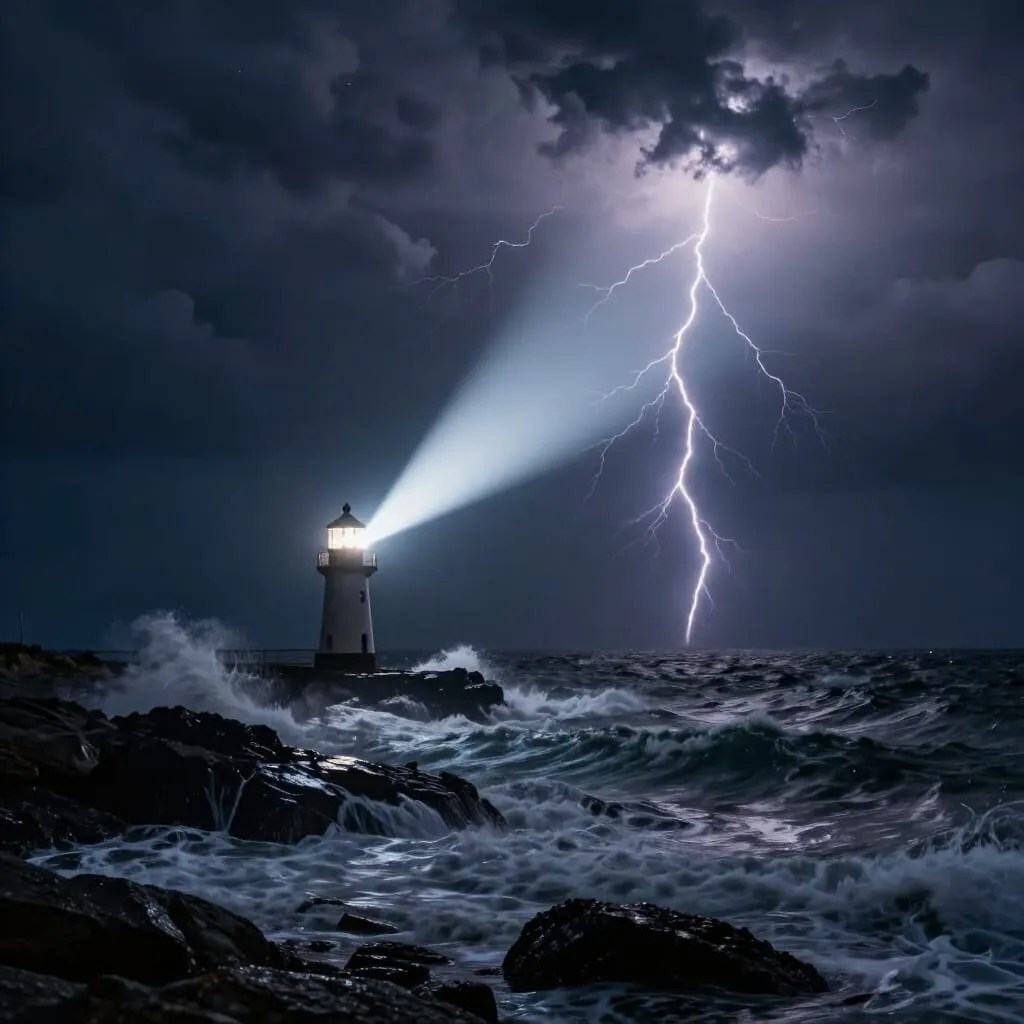
I am the Light of the world ( CLICK ON THE PICTURE BELOW TO LISTEN TO SONG)
__________________________
(1) Cyril of Alexandria, Commentary on John (Book 1, Chapter 8) Intervarsity Press (2013)

 UNBLOCKING THE WELL OF THE LIVING WORD
Leave a comment